Community-led monitoring
Communities collect and use their own data to hold duty-bearers to account and improve services.
What it is
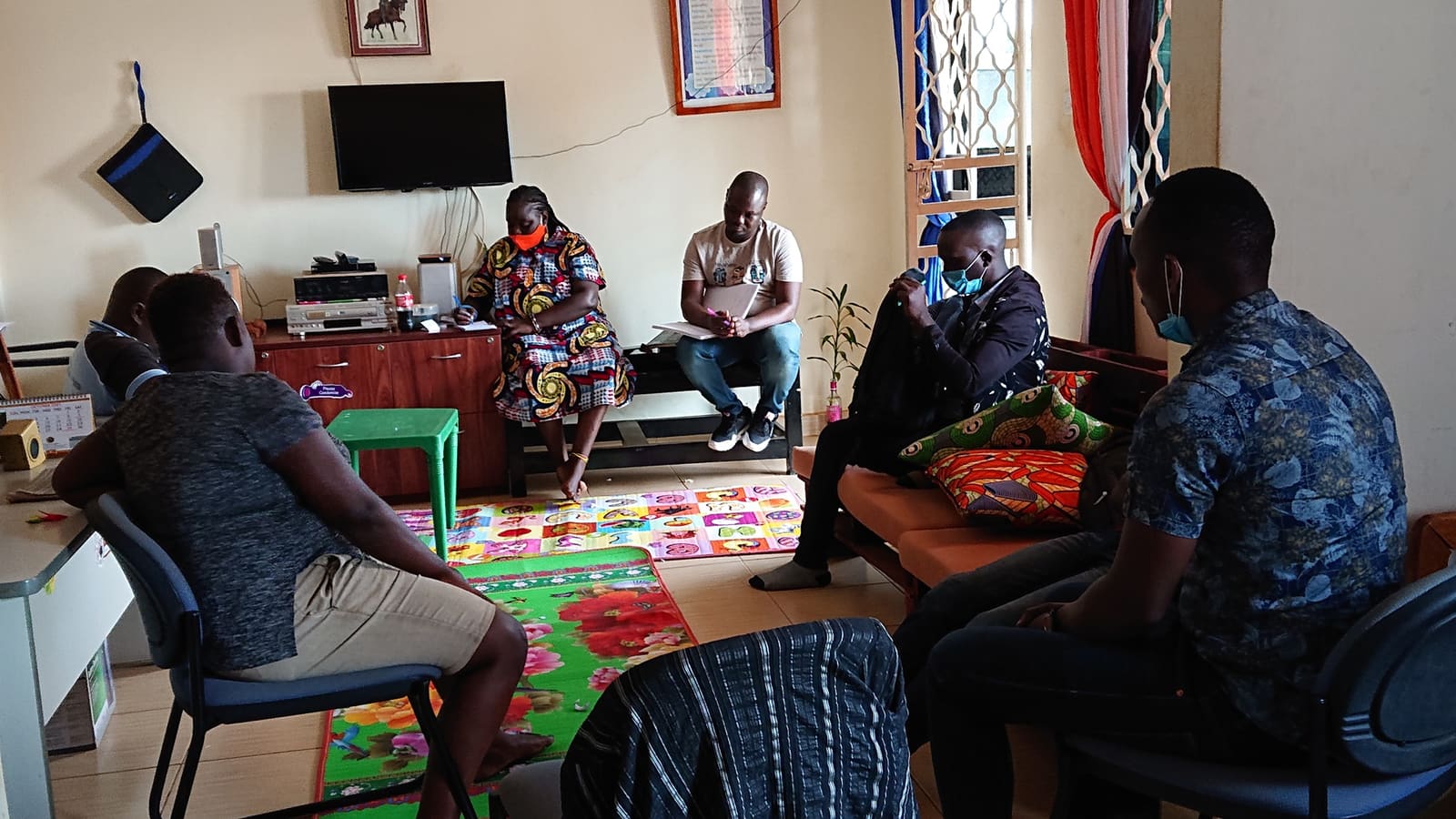
Community-led monitoring (CLM) is a participatory approach in which communities systematically collect, analyse and use data on the issues that affect them, to improve accountability, governance and the quality of services. Communities become active agents in identifying problems, co-creating solutions and advocating for change.
Leadership, not just involvement
CLM centres the voices of the people most affected. Unlike traditional monitoring, it needs routine data collection to spot trends, and decision-making structures where community advocates present their data and hold duty-bearers to account.
Key principles and implementation
Communities lead every step: identifying issues, defining indicators, managing and analysing data, and advocating for change.
- 1
Education
Communities learn the relevant science, global norms and standards of care.
- 2
Evidence
Communities identify pain points and develop indicators to measure barriers and gaps.
- 3
Engagement
The data is analysed and presented back to the community to discuss findings and co-create solutions.
- 4
Advocacy
If problems persist, communities use the data to push for policy change, better services or other action.